Geo Tracker Solid Axle Swap (SAS) Overview
A Solid Axle Swap (SAS) on a Geo Tracker is not as difficult as many people assume. If you can weld and perform basic fabrication, this conversion is very achievable and offers major gains in strength, articulation, and off-road durability.
This overview explains common axle, spring, brake, and steering choices used when converting a Geo Tracker from independent front suspension (IFS) to a solid front axle.
Axle Options for a Geo Tracker SAS
The Suzuki Samurai front axle is one of the most popular choices for a Geo Tracker solid axle swap. It is affordable, readily available, and requires less fabrication than many other axle options. The Geo Tracker third member will bolt into the Samurai axle housing, but it is recommended to swap the Tracker gears into the stronger Samurai steel housing for improved durability.
Leaf Springs and Suspension Setup
Leaf springs are the simplest and most cost-effective suspension choice for a Geo Tracker SAS. Most builders use Suzuki Samurai leaf springs due to their size, availability, and compatibility. When using factory Samurai rear leaf springs in a spring-under-axle (SPUA) configuration, mounting the fixed spring hanger approximately 9-3/4 inches back from the frame bend will nearly center the front axle in the wheel wells.
If the springs are mounted under the axle, the Samurai drag link typically only needs minor length adjustment. Driveline spacers are generally not required unless a spring-over-axle (SPOA) setup is used.
Some builders report needing to extend the drag link. This is usually only necessary when stretching the wheelbase or converting to SPOA. With a stock wheelbase and SPUA setup, the factory drag link length is often sufficient, though final fitment should always be verified.
Alternative spring options include Jeep YJ (1987–1995 Wrangler) front leaf springs, often paired with a crossover steering kit for improved steering geometry.
Brakes
One advantage of using a Samurai front axle is brake compatibility. Geo Tracker front calipers and rotors bolt directly onto the Samurai axle
with no modification required.
Example Geo Tracker SAS Build
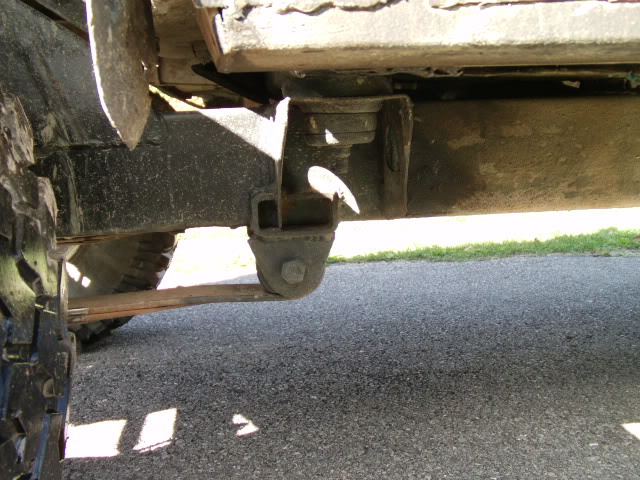
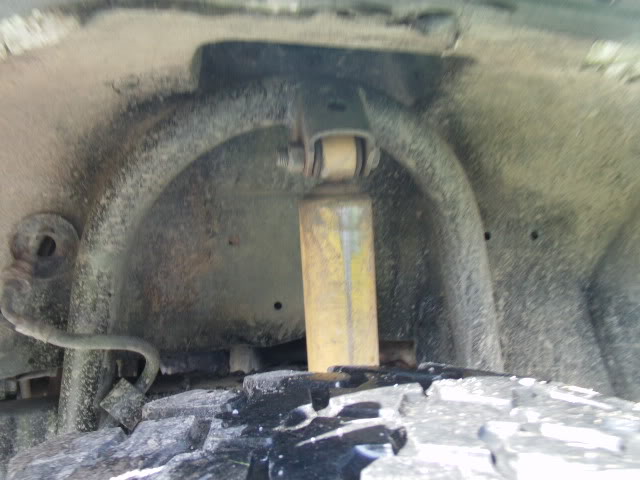
The Geo Tracker shown below uses front springs, shackles, and mounting tabs sourced from a stock Jeep Wagoneer. The original Wagoneer tabs were removed with the axle and reused during the swap.
On the rear spring mounts, 2×3 box tubing was notched to fit the frame and welded in place. The builder does not recommend welding spring tabs directly to the frame due to limited width.
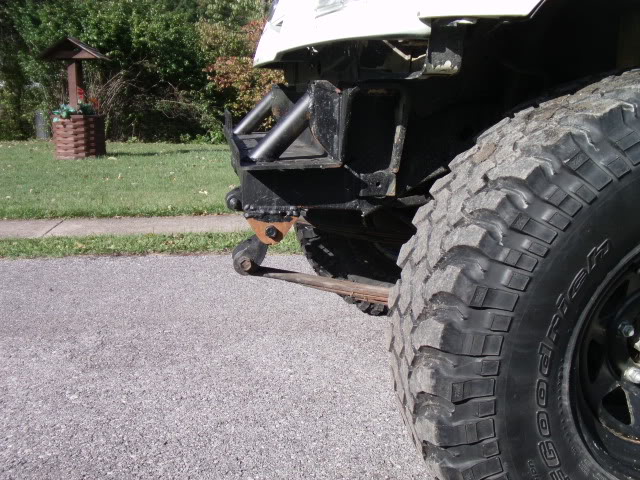
The front frame was extended using 2×4 box tubing, along with the addition of a crossmember and winch mount. DOM tubing was added for extra structural support.
Axle placement was determined by driveshaft and steering alignment, though moving the front axle forward 2–3 inches is generally acceptable, with more possible if spacers are used.
Steering Setup
Steering was handled using a factory Samurai drag link combined with one threaded end from a Geo Tracker drag link. The Samurai link was cut, threaded, and matched to the Tracker end, creating a low-cost adjustable drag link using factory components.
A drop pitman arm was also installed on the steering box to improve steering angles.
Geo Tracker SAS Photos
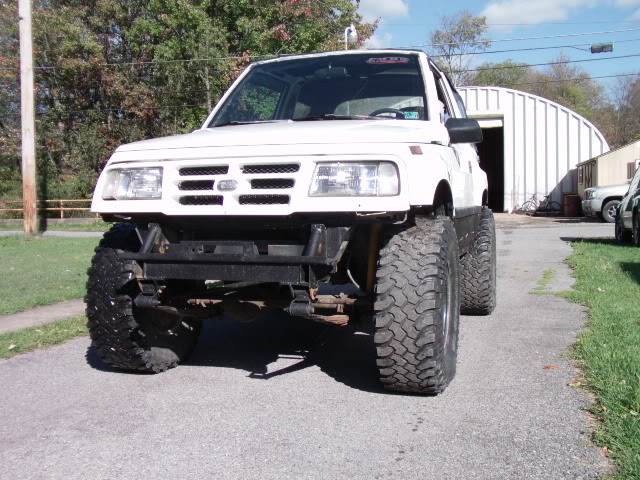
The following photos show the solid axle swap setup running 33×12.50R15 tires. No body lift was used in these images.