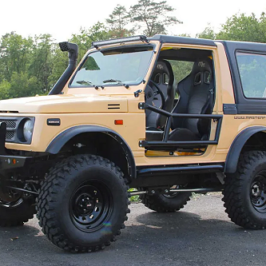
Mike Harris’ Suzuki Samurai Off-Road Build
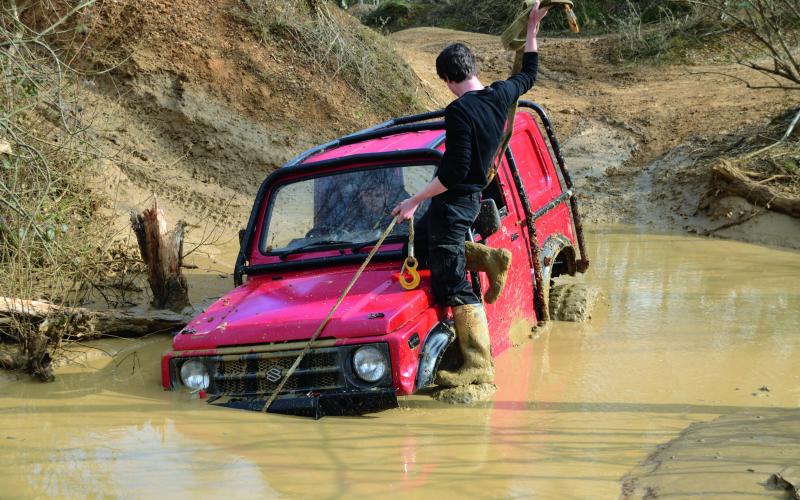
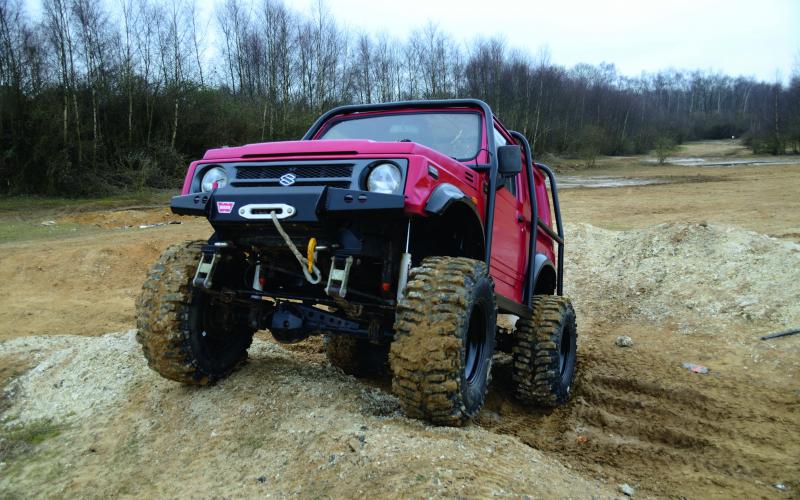
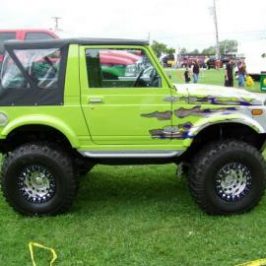
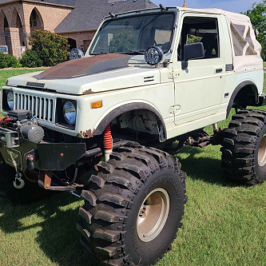
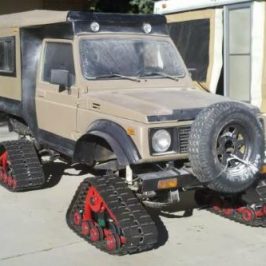
Mike Harris turned this Suzuki Samurai into a serious off-road trail machine after discovering that what appeared to be a clean, rust-free truck was hiding a much bigger problem. What started as a simple off-road project quickly became a full rebuild involving body restoration, a Vitara engine swap, upgraded axles, and numerous aftermarket off-road components.
After Mike Harris first bought this Suzuki Samurai, he discovered it had a dark secret.
“It looked perfect when I bought it,” Mike recalls. “People kept saying how nice and clean and rust-free it was. But then I started doing a lot of off-roading, and I was finding that every time I took it off-road I was leaving bits of it behind!”
As it turned out, Mike’s Samurai wasn’t nearly as rust-free as it first appeared. Someone had previously done extensive bodywork on the vehicle and large areas of the body were filled with body filler. Mike continued modifying the Samurai for a while, but eventually realized he would have to properly deal with the rust problem.
He began collecting the replacement panels he would need and eventually had the Samurai media blasted to remove the rust and body filler. According to Mike, the blasting process caused lumps of filler to start appearing all over the body.
What came back from the blasting process looked pretty frightening. Panels were crinkled, rust holes were everywhere, and in some places the metal was simply gone. But at least what remained was real metal instead of body filler. Two years after purchasing the Samurai, the real rebuild could finally begin.
Rebuildingzz the Samurai
The rebuild started with welding—lots and lots of welding. Repairing the rust damage required what Mike describes as endless, soul-destroying hours of fabrication and metal work. At the time, Mike was barely out of school, which makes the persistence he showed on the project even more impressive.
“Fortunately, I hadn’t discovered beer and women by that point!” he jokes.
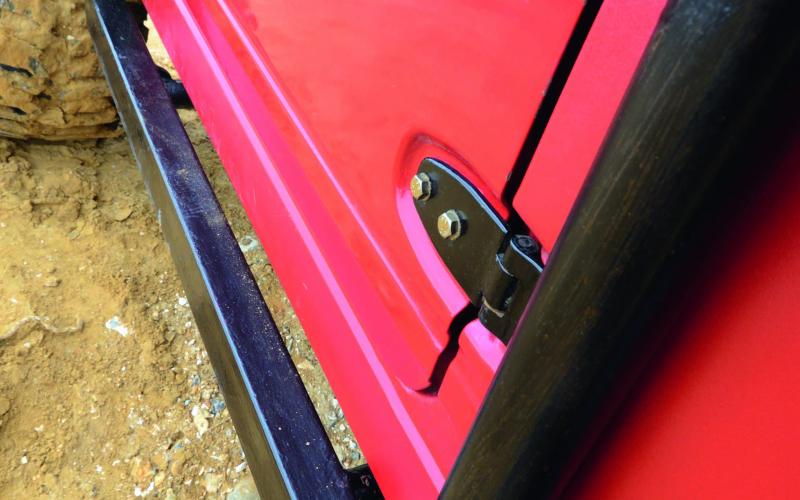
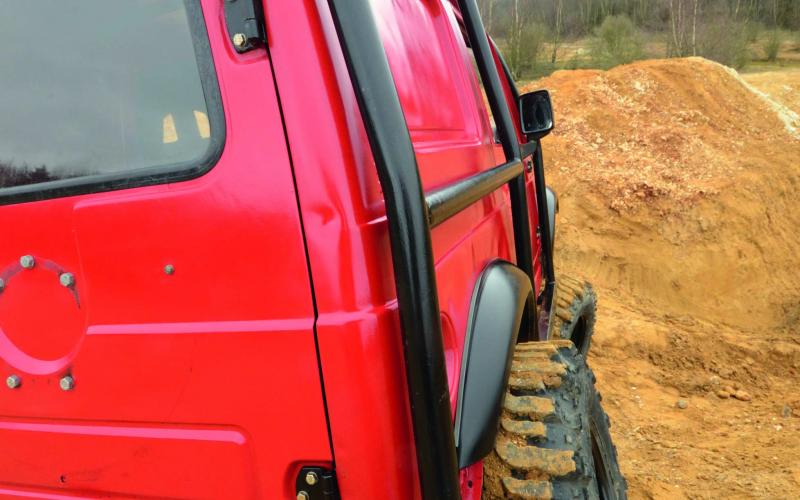
Mike buys and sells parts from old Suzukis as a sideline, but even with those connections it still took time to gather everything needed for the rebuild. In the end, the Samurai became a combination of parts from several vehicles. It retained the original shell, chassis, and rear door, while the front end, doors, hood, fuel tank, wheel arches, grille, and dashboard were sourced from a 1995 Suzuki Samurai.
Once the bodywork was complete, it was time to move on to the mechanical upgrades.
Suspension, Axles, and Off-Road Upgrades
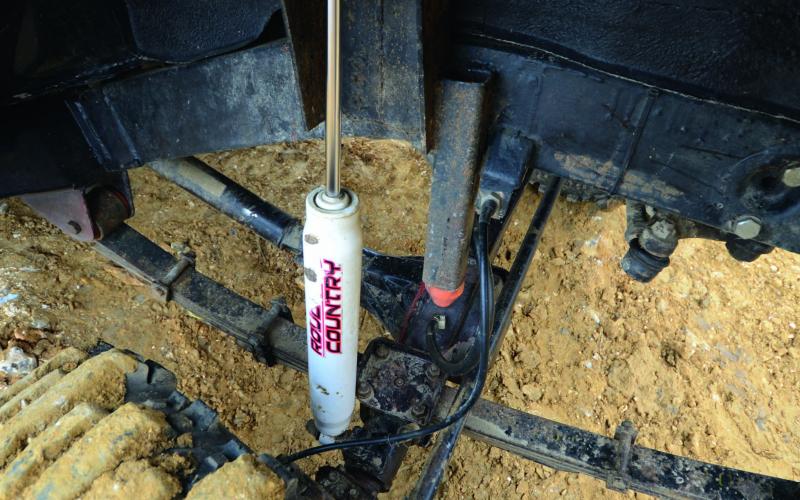
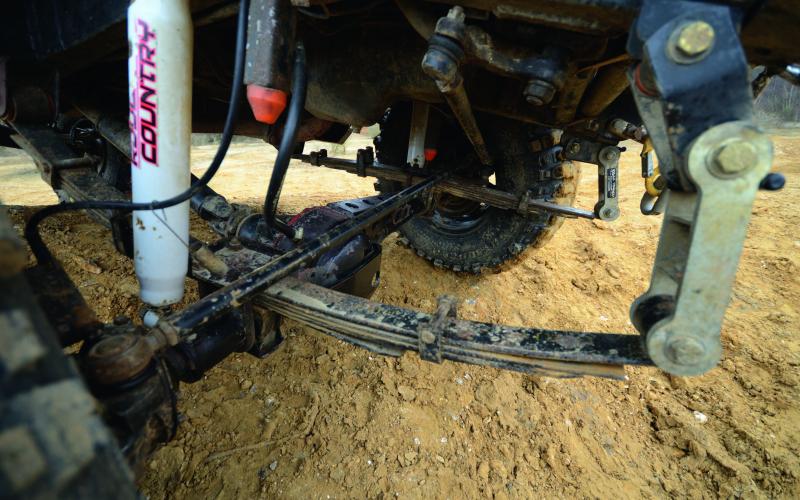
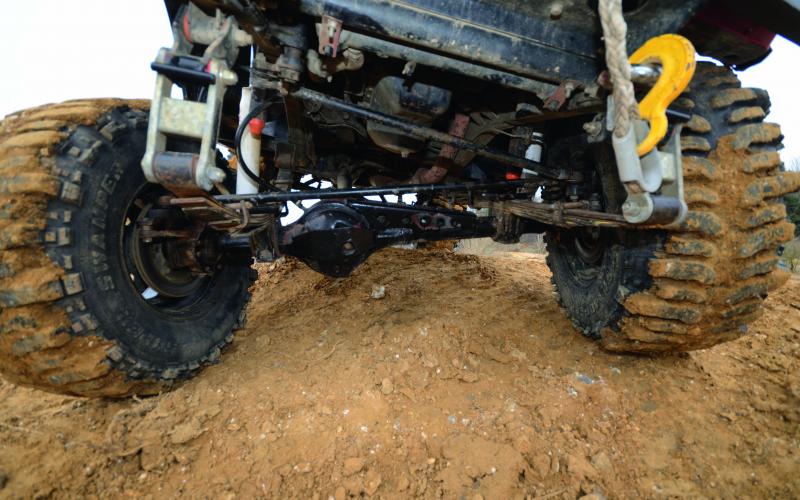
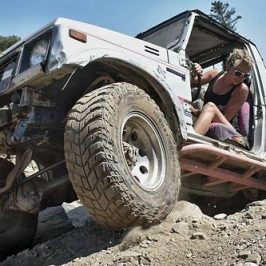
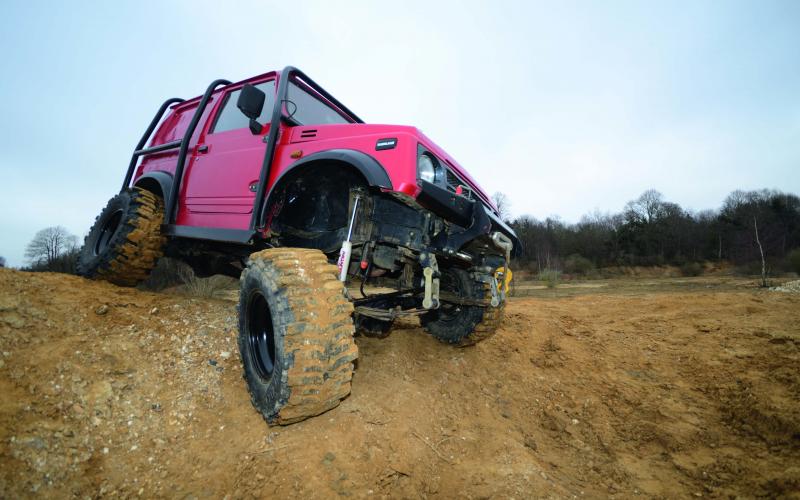
Mike had a clear plan for how he wanted the Samurai to perform off-road. The goal was plenty of suspension lift, lots of articulation, and axles strong enough to survive serious trail use.
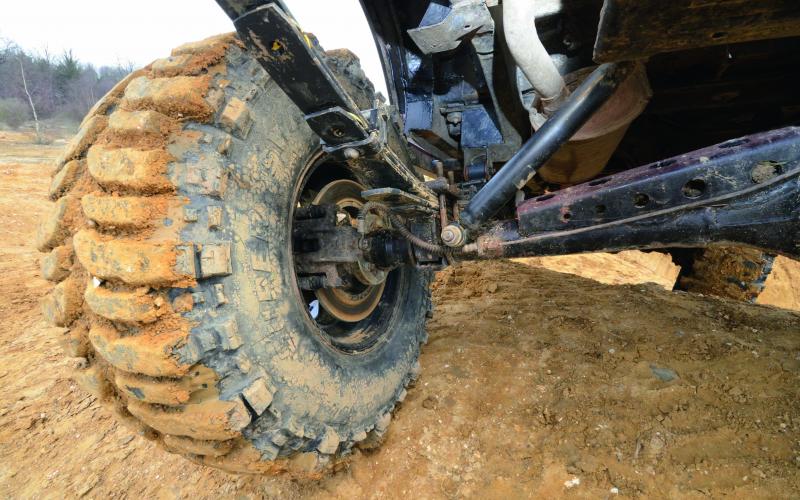
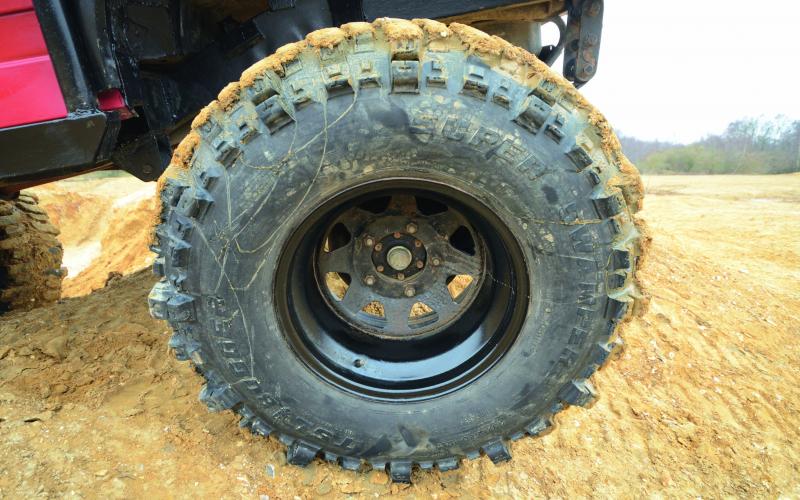
He scored a set of Interco Bogger tires on eBay and began building the drivetrain to match. This may have been a home-built project completed in Mike’s spare time, but it was far from cheap.
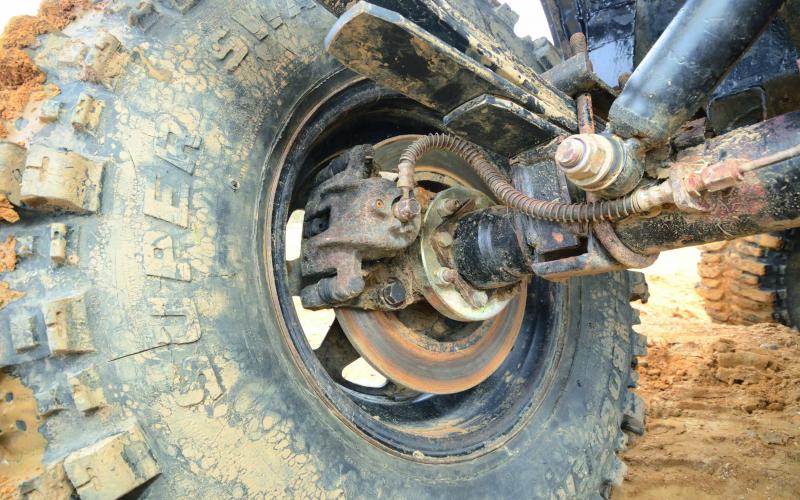
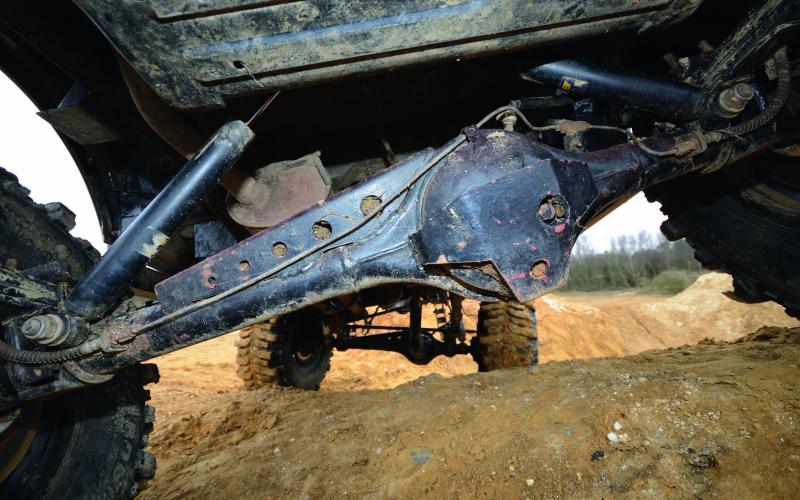
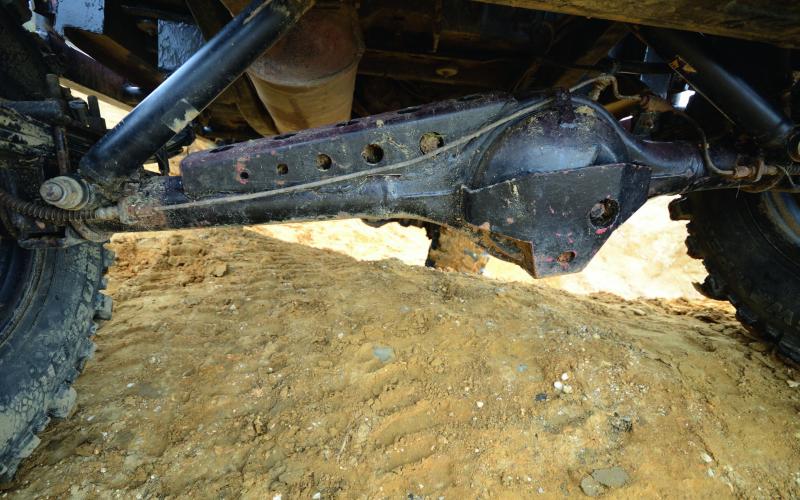
The axles were upgraded with Lock-Right lockers along with 26-spline Rock Assault chromoly halfshafts and CVs. A high-steer kit and fully floating rear axle conversion were sourced from Rob Storr.
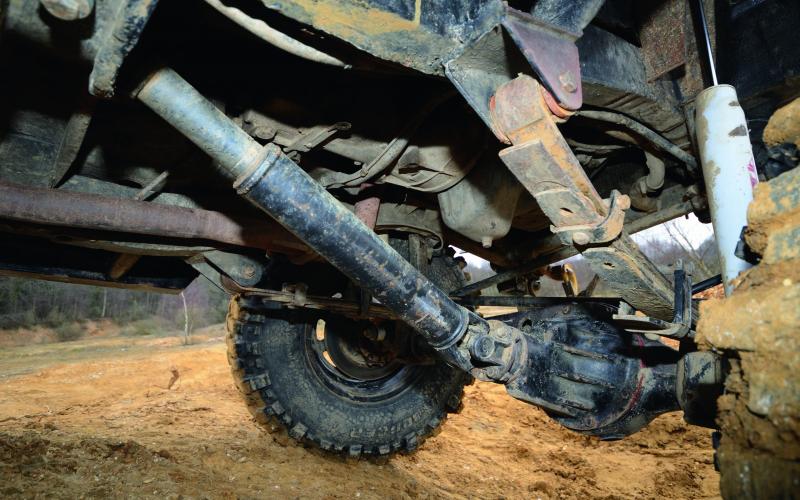
Additional upgrades included axle trusses, differential guards, and SPOA saddles from Off Road Armoury. The Samurai also received a Muddy Zook adapter plate to mate the drivetrain to the 16-valve Suzuki Vitara engine Mike planned to install.
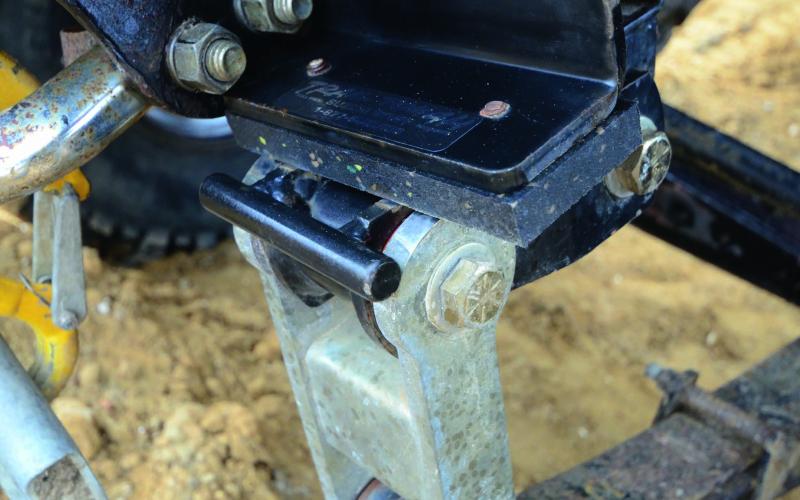
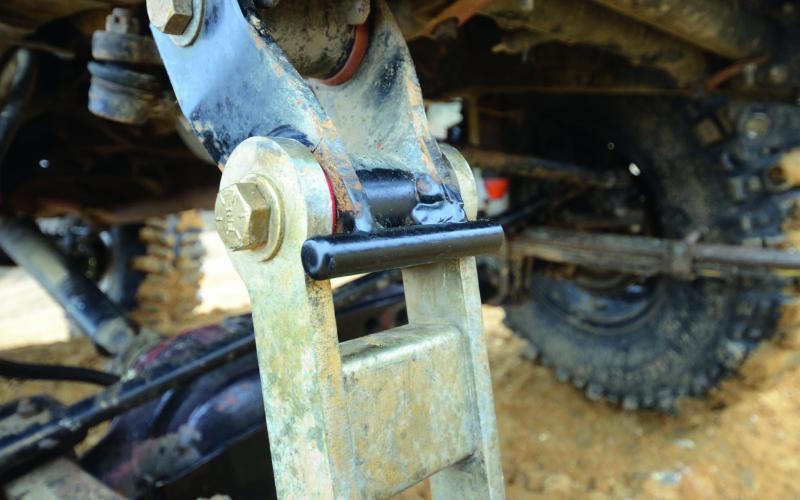
The suspension setup was finished off with Trail Gear Bone Shackles and Missing Links up front, along with other supporting hardware to improve articulation and durability on the trail.
Custom Fabrication and Bumper Build
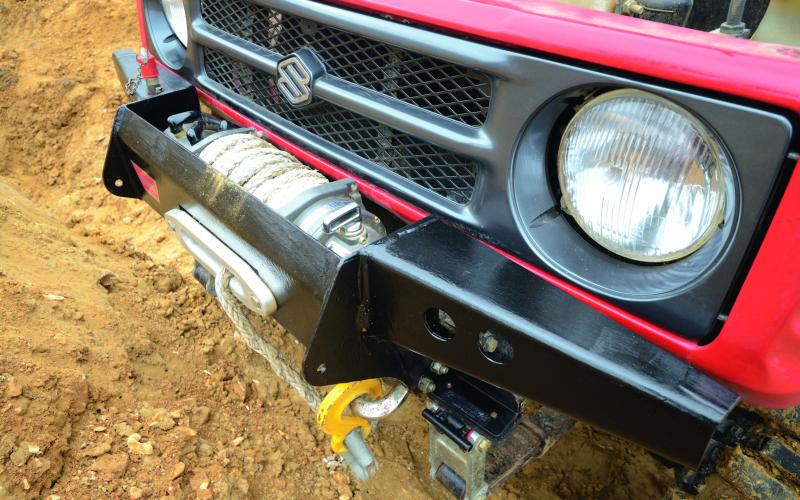
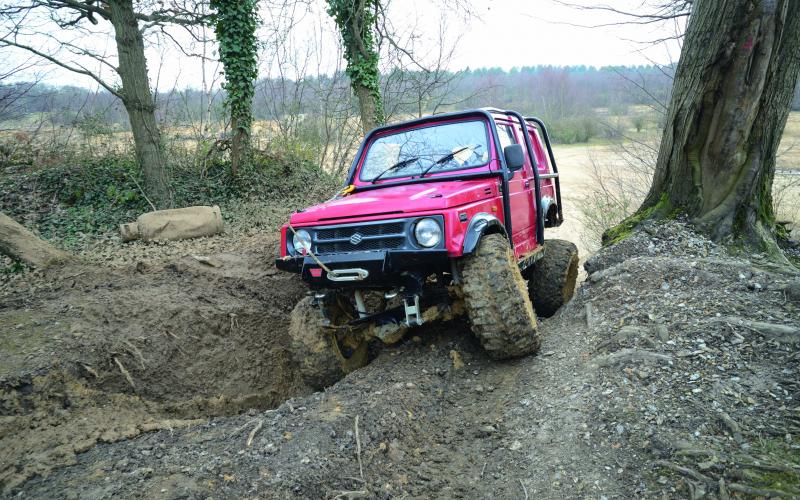
For front-end protection, Mike used a Granite Bashers DIY front bumper kit. Like many custom fabrication projects, the final design evolved as the work progressed.
Mike went through several different ideas for the bumper’s appearance before ultimately cutting away a significant portion of the upper metal to better match the lines of the roll cage. During this stage he spent a lot of time mocking things up with cable ties until everything lined up visually the way he wanted.
Once the bumper design was finalized, he could finally move on to getting the engine running.
Vitara Engine Swap
The Samurai received a 16-valve Suzuki Vitara engine swap, which required extensive troubleshooting before everything worked properly. Mike spent many long hours tracking down electrical and fuel system issues before finally getting the engine to run reliably.
After the experience, he admits his enthusiasm for complex fuel injection systems had faded somewhat.
“Far too complicated,” he says. “Give me something simple any day.”
Another frustrating moment came when modifying Toyota Land Cruiser driveshafts to work with the Suzuki drivetrain.
“I’ve got SJ axles, so of course I had SJ differential flanges machined to fit the driveshafts,” Mike explains. “But then I remembered that I’m running Vitara differentials. The thread pitch on the splines is different, so the whole job had to be done again.”
It was one of those classic project “doh!” moments that most builders eventually experience.
Build Specifications
- Vehicle: Suzuki Samurai
- Owner: Mike Harris
- Engine: 16-valve Suzuki Vitara engine swap
- Transmission: Suzuki Samurai
- Axles: Suzuki SJ axles
- Axle Upgrades: 26-spline Rock Assault chromoly halfshafts and CVs
- Lockers: Lock-Right lockers
- Suspension: Spring Over Axle (SPOA) setup
- Steering: High-steer kit from Rob Storr
- Rear Axle: Fully floating rear conversion
- Driveshafts: Modified Toyota Land Cruiser driveshafts
- Tires: Interco Super Swamper Boggers
- Front Bumper: Granite Bashers DIY bumper kit
- Suspension Components: Trail Gear Bone Shackles and Missing Links
- Additional Parts: Off Road Armoury axle trusses and differential guards
Lessons Learned
Projects like this always take longer than expected, especially when every component has been modified.
“Everything you work on is different,” Mike explains. “That’s what happens when you modify everything. All the small things that would take a few minutes on a stock vehicle can take hours instead.”
Something as simple as mounting the power steering reservoir ended up taking Mike nearly an hour and a half.
The project stretched out over a long period of time because Mike was working on it in his spare time while attending college and earning the money needed to keep the build moving forward.
Despite the challenges, the finished Samurai turned out to be an impressive custom off-road build and a testament to persistence and creativity in the garage.
Nice job Mike!
Photos
Click the photos to enlarge